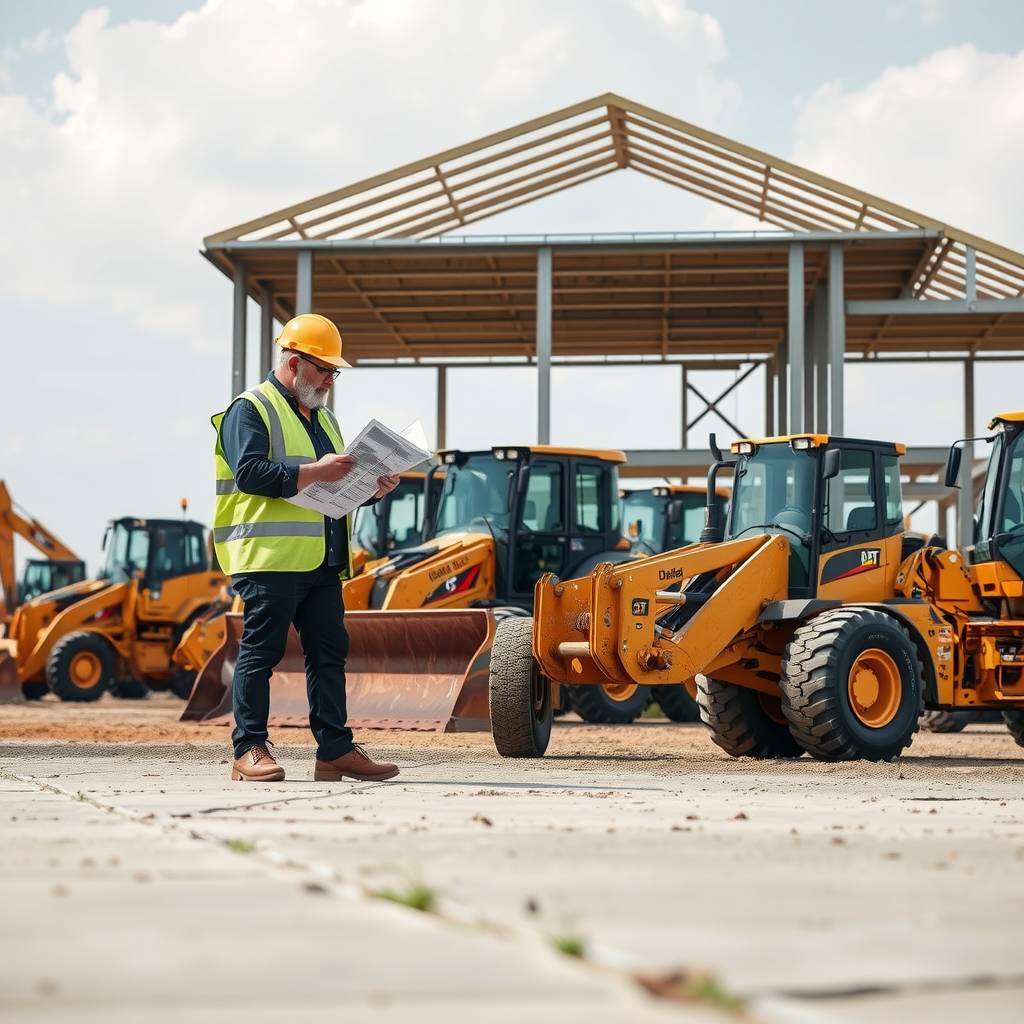
Investing in used plant for sale can be a cost-effective solution for construction companies and contractors seeking reliable heavy plant machinery without the premium price tag of new equipment. However, purchasing second hand plant and machinery demands a careful approach to ensure you acquire high-quality, durable, and safe machinery suitable for your projects. As an expert in plant machinery sales, I will guide you through essential steps for inspecting and selecting the best used plant for sale.
Understanding Your Requirements
Before you begin inspecting potential machinery and plant, it’s vital to clearly define your project requirements. Consider factors such as the type of work, expected duration, and operational conditions. For example, if you need plant machinery for excavation tasks, focus on the specifications relevant to diggers, loaders, or bulldozers.
Assess the following criteria:
- Operational capacity: Make a list of the minimum power, lifting capacity, and other technical specifications needed.
- Project timelines: Decide whether you need machines for long-term projects or short-term hire.
- Budget constraints: Establish a reasonable budget to narrow down options for used plant for sale.
Having a clear understanding of your needs will streamline the selection process and help you identify the most appropriate used plant for sale that offers value for money without compromising on performance.
Conducting a Visual Inspection
A thorough visual check is the foundational step in evaluating used plant and machinery. Although appearances can sometimes be deceptive, significant rust, corrosion, or visible damage can indicate underlying issues. When inspecting machinery, pay close attention to the following components:
Looking for reliable second hand plant and machinery for sale? Our extensive selection offers high-quality, used equipment suitable for various construction projects. Ensure the best value and performance with our trusted second-hand options. Visit https://www.sjhallplant.com to explore our latest inventory and find the perfect machinery for your needs.
Structural Integrity and Frame
Examine the main body, chassis, and mounting points for signs of cracks, warping, or extensive corrosion. Structural integrity is vital for safe and efficient operation.
Hydraulic and Pneumatic Components
Inspect hydraulic cylinders, hoses, and fittings for leaks or damage. Hydraulic systems are critical for many plant machines; leaks or wear may lead to costly repairs and downtime.
Engine Condition
Evaluate the engine by checking for oil leaks, corrosion, and cleanliness. If possible, listen to the engine during startup for unusual noises that may indicate internal issues.
Wear Parts and Attachments
Assess buckets, blades, tyres, tracks, and other attachment points for excessive wear or damage. Replacing worn parts can be costly, so consider the potential expenses involved in refurbishment.
Fluids and Leakages
Check fluid levels—oil, coolant, hydraulic fluid—and look for signs of leaks underneath the machinery. Leaks can be symptomatic of deeper mechanical problems.
Verifying Mechanical and Technical Functionality
Beyond visual inspection, verifying that the plant machinery for sale functions correctly is essential. This can be achieved through operational testing and examining service history.
Operational Testing
If possible, request a demonstration of the machinery in operation. Observe the following:
- Smoothness of movement and operation of functions
- Response time and control accuracy
- Brake efficiency and steering control
- No unusual noises or vibrations
Running the equipment under load conditions can reveal issues that might not be apparent at idle.
Service and Maintenance History
Request comprehensive service records to confirm regular maintenance and repairs. Well-maintained machinery generally has a longer lifespan and fewer unexpected breakdowns.
Hour Meter and Usage Data
Check the hour meter for total operational hours. While higher hours aren’t necessarily detrimental if properly maintained, they can impact the value and remaining lifespan of the machinery. Cross-reference this with the service history to evaluate wear and tear.
Assessing the Market and Making an Informed Purchase
Research is crucial for making a well-informed decision when selecting from second hand plant and machinery for sale. This includes evaluating:
- Reputation of the seller or dealer: Preferably buy from recognised plant machinery sales companies with good reviews and verified credentials.
- Market value and price comparison: Use online resources and industry guides to verify that the price is competitive and reflective of the machine’s condition and age.
- Warranty and after-sales support: Whenever possible, choose sellers offering warranties or after-sales service options to safeguard your investment.
- Availability of spare parts: Confirm that essential spare parts are readily available, which can significantly reduce operational downtime.
By evaluating these factors, you ensure that your investment in used plant for sale is both cost-effective and reliable.
Final Thoughts
Purchasing second hand plant and machinery requires a combination of technical knowledge, careful inspection, and market awareness. Emphasising visual checks, operational testing, and understanding the history and provenance of the machinery minimises risks associated with used plant for sale. Partnering with reputable plant machinery sales companies further bolsters your chances of acquiring high-quality, reliable equipment that aligns with your project needs and budget.
Always remember, a meticulous approach to inspecting and selecting heavy plant machinery will ensure smooth operation, safety compliance, and value for money throughout your machinery’s lifespan.