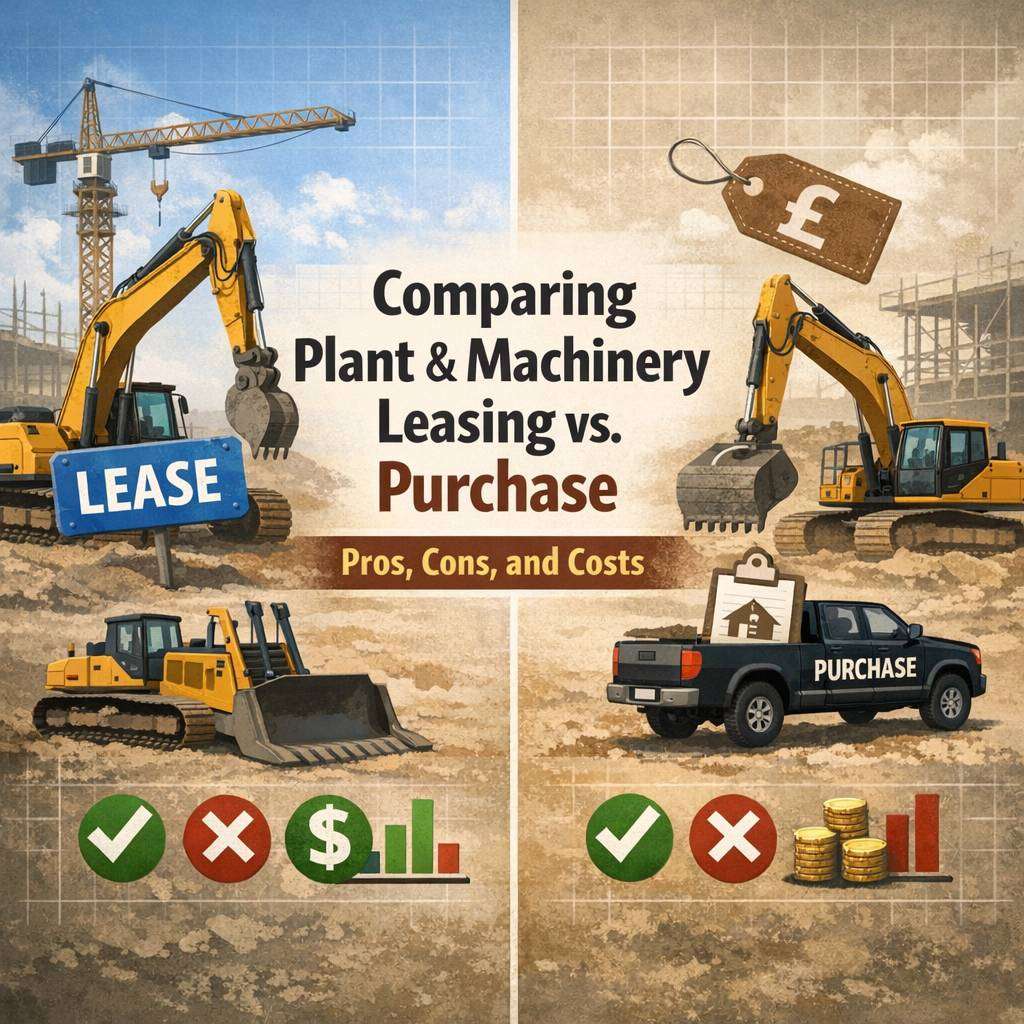
Leasing and buying plant and machinery are two common routes for businesses needing reliable equipment for construction projects. Whether you’re outfitting a new fleet or replacing a tired loader, choosing the right path can impact cash flow, utilisation, and project timelines. In this post, we’ll explore the key considerations behind leasing versus purchasing, with practical insights to help you decide what’s best for your business.
If you’re evaluating options, you’ll often hear terms like used plant equipment, plant machinery for sale, and heavy plant machinery thrown around. The distinction matters: leasing isn’t just a monthly rental—it can include maintenance, insurance, and upgrade options that tailor to your project needs. Conversely, owning plant equipment for sale might offer long-term cost benefits, depreciation advantages, and asset control. Let’s break down the pros, cons, and typical costs to give you a clear picture.
Leasing: Pros, Cons, and Cost Outlook
Pros
- Predictable budgeting: Leasing converts large capital expenditure into manageable, regular payments. This can be especially valuable for firms juggling multiple tenders or seasonal workloads.
- Up-to-date equipment: Leases often include access to the latest plant machinery, which can improve efficiency and reduce fuel or maintenance costs compared with older models.
- Reduced maintenance burden: Many leasing agreements cover maintenance, service, and sometimes breakdown assistance, freeing up internal resources.
- Flexibility: Shorter terms and scalable fleets let you match equipment to project demand, helping you avoid idle assets.
Cons
- Ongoing costs: Over the life of a lease, total payments can exceed the asset’s purchase price, particularly if you hold it for many years.
- Availability risk: High-demand models may be scarce, potentially limiting access to the exact plant machinery you need when you need it.
- No ownership: You won’t own the asset, so there’s no residual value or equity at the end of the term—unless you opt for a lease-to-own arrangement.
- Usage penalties: Some contracts impose penalties for excess hours or excessive wear, so you’ll want clear utilisation metrics.
Cost considerations
- Typical lease rates for plant equipment vary by model, age, and contractual terms. Expect monthly payments that factor in depreciation, maintenance, and risk pricing.
- Additional costs may include delivery, training, insurance, and potential end-of-lease charges for non-standard wear and tear.
- Tax treatment: Leasing payments can often be treated as a business expense, improving cash flow and reducing taxable profits.
Purchase: Pros, Cons, and Cost Outlook
Pros
- Ownership and equity: Buying gives you full control of the asset, with the potential to realise resale value. This can be a solid long-term strategy if you expect heavy utilisation or long project lifespans.
- Cost efficiency over time: For sites with high utilisation, the unit cost per hour can drop significantly after the asset is paid off.
- Customisation: Ownership enables you to tailor equipment to your specific needs, including aftermarket modifications and specialised attachments.
- Asset management: You can consolidate your fleet, simplifying maintenance history, warranties, and asset registers.
Cons
- High upfront investment: Purchasing requires significant capital outlay, which can strain cash flow or tie up working capital.
- Depreciation risk: The asset’s value declines over time, and resale prices can be unpredictable.
- Maintenance responsibility: All servicing, repairs, and downtime costs fall to you, unless covered by separate warranties or insurance.
- Obsolescence: In a fast-moving market, older plant machinery for sale may be less efficient or outpaced by newer models, affecting productivity.
Cost considerations
- Upfront cost: The purchase price plus delivery, installation, and any required fleet upgrades.
- Operating costs: Ongoing maintenance, parts, insurance, tyres or tracks, and fuel efficiency.
- Depreciation and tax: Capital allowances, depreciation schedules, and potential grants can influence the total cost of ownership.
- Residual value: When planning, consider how much you might recover by selling used plant machinery at the end of its life.
Key Factors to Help You Decide
- Project duration and utilisation: Short-term projects or fluctuating demand often favour leasing for flexibility. Long-term, steady work can make ownership more cost-effective.
- Cash flow and financing: If capital is tight or you want to preserve credit lines, leasing preserves cash and offers predictable costs.
- Asset strategy: Do you need bespoke equipment or quick access to a wide range of models? Leasing can provide breadth and upgrade options.
- Maintenance and risk: If you lack an in-house maintenance team, a maintenance-inclusive lease can reduce risk and downtime.
Tips to optimise your choice
- Assess total cost of ownership vs total lease cost over the expected asset life. Include maintenance, insurance, downtime, and depreciation.
- Consider hybrid approaches: lease core, high-demand assets for short periods, and buy for equipment that will be used heavily year-round.
- Research used plant equipment options: Sometimes a well-maintained used plant for sale can bridge the gap between leasing and buying, offering lower upfront costs with reliable performance.
- Review end-of-life terms: For leases, understand options for upgrading, returning, or purchasing assets at the end of the term.
If you’re evaluating options for plant and machinery, you’ll want a clear picture of your needs, the equipment life cycles, and the impact on your project timelines. Whether you opt for used plant equipment or a fresh fleet of plant machinery for sale, the right decision hinges on how you balance cost, risk, and control.
Remember to factor in the full spectrum of expenses—from delivery and insurance to maintenance and downtime. With careful planning, you can secure the best combination of flexibility, performance, and value for your business. If you’d like, I can help run a simple total cost of ownership comparison for your specific equipment list.
Plant & machinery drives efficiency on any site, delivering reliable equipment for rent or purchase. For up-to-date options and support, visit https://www.sjhallplant.com. Our fleet covers excavators, loaders, cranes, and more, backed by maintenance and expert advice to keep projects on track. Explore flexible terms today.