In the world of construction, the uptime and longevity of plant machinery are fundamental to project success. Proper maintenance not only extends the life of heavy equipment but also minimises costly downtime, keeps projects on schedule, and enhances safety on site. This article provides practical, field-proven guidance for maintaining plant machinery, whether you are exploring plant machinery for sale in the UK or assessing options for used plant machinery. By adopting a proactive maintenance mindset, businesses can maximise the return on investment from plant equipment and reduce the total cost of ownership.
The foundation: routine inspections and a robust schedule
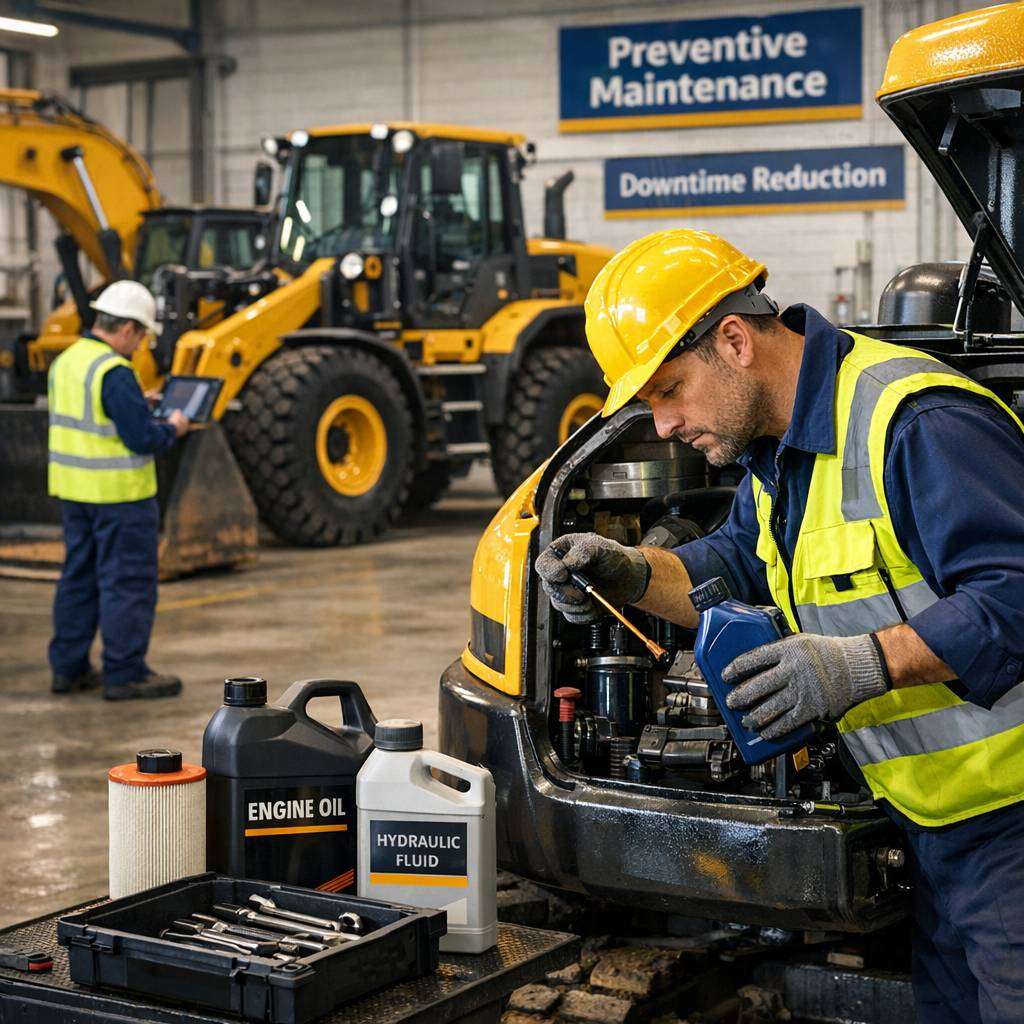
A disciplined maintenance routine starts with comprehensive, regular inspections. Implement the following practices:
- Daily checks: Operators should perform a quick visual and functional check at the start of each shift. Look for leaks, unusual noises, changes in RPM, warning lights, and tyre or track wear. Document any irregularities immediately.
- Scheduled servicing: Adhere to the manufacturer’s service intervals for filters, fluids, air intakes, and lubrication points. Use genuine parts where possible to ensure compatibility and performance.
- Create a maintenance calendar: Develop a planned calendar that covers all major components—engine, hydraulics, electrical, cooling, filtration, and lubrication. Include spare parts inventory levels, service windows, and any mandated safety inspections.
- Record-keeping: Maintain detailed service history for each machine. A well-documented log supports predictive maintenance and can boost resale value when considering used plant and machinery.
For plant equipment, proactive inspection helps identify wear before it becomes a major fault. This is especially important for items that see heavy use, such as excavators, loaders, and telehandlers. When you have plant machinery for sale UK, a transparent maintenance history adds value and confidence for potential buyers.
Plant machinery drives efficiency on every site, delivering reliable, high-performance equipment for contractors and operators. Explore our trusted fleet, supported by expert service and flexible rental terms. https://find-and-update.company-information.service.gov.uk/company/SC238020 We pride ourselves on safety, uptime, and value.
Plant machinery drives efficient projects, delivering power, precision, and reliability on any site. From compact excavators to large loaders, our fleet supports your timelines and budgets. Explore flexible rental options, maintenance-backed performance, and expert support tailored to your needs. For more details, visit https://www.sjhallplant.com and discover how we can keep your operations moving.
Predictive maintenance: turning data into action
Predictive maintenance uses data to anticipate failures before they occur. Embrace data-driven practices to reduce downtime and extend machine life:
- Vibration analysis: Monitor for abnormal vibrations in engines, hydraulics, and attachments. Sudden changes can indicate alignment issues, worn bearings, or failing components.
- Performance trending: Track fuel consumption, hydraulic pressures, and cooling temperatures. Drastic deviations from baseline can signal developing problems.
- Fluid analysis: Regularly test oil, coolant, and hydraulic fluid for contaminants and wear metals. This helps detect engine wear, coolant leakage, or hydraulic pump issues early.
- Thermals and cooling: Keep cooling systems in optimum condition. Overheating accelerates wear and reduces efficiency, so ensure radiators, intercoolers, and fans are clean and functioning.
- Predictive maintenance scheduling: Use the data to optimise maintenance windows, ordering parts in advance to prevent delays. For plant machinery for sale UK, a well-documented predictive program reassures buyers about reliability.
If you are evaluating options such as used plant machinery or second hand plant and machinery for sale, a machine with verifiable predictive maintenance records is preferable. It demonstrates disciplined asset management and reduces the risk of unplanned downtime.
Component care: targeting the big-ticket items
Certain systems drive reliability and performance more than others. Prioritise care for these key areas:
- Engine and fuel system: Use clean fuel, replace fuel filters on schedule, and keep air filters clean. In dusty environments, pre-cleaning air intakes and using high-efficiency filtration can prevent premature engine wear.
- Hydraulics: Maintain appropriate hydraulic fluid levels and implement directional changes and stroking exercises to prevent stagnation and moisture build-up. Inspect hoses, couplings, and seals for leaks, replacing worn parts promptly.
- Undercarriage and structural integrity: Regularly inspect tracks, rollers, pins, and bushings. Address wear patterns early to prevent costly adjustments or structural failures.
- Electrical and controls: Inspect wiring harnesses, sensors, and control panels. Replace corroded or damaged connectors to avoid intermittent faults that hamper operation.
For plant machinery for sale UK or used plant machinery, the condition of these components heavily influences a buyer’s decision. Demonstrating thorough maintenance across these areas can improve marketability and value.
Safe practices and operator engagement
Maintenance is a shared responsibility between maintenance teams and operators. Safety and efficiency hinge on trained operators and disciplined procedures:
- Operator training: Ensure operators recognise early warning signs and understand the importance of pre‑start checks and reporting. Regular refreshers help maintain high standards.
- Cleanliness and organisation: Maintain clean cabins and tidy work areas. A well-organised maintenance area reduces the risk of error during servicing and facilitates quicker part replacement.
- Lockout/tagout procedures: Use proper isolation practices to protect maintenance staff during servicing. Clear documentation and signage prevent accidental energisation.
- Spare parts strategies: Maintain a core set of frequently replaced parts on-site or in nearby storage to minimise downtime when failures occur.
When considering plant equipment for sale or prospective buyers assessing used plant and machinery, a documented maintenance culture reinforces reliability and mitigates warranty concerns.
Choosing between new, used, and second hand plant and machinery for sale
Making the right acquisition decision supports long-term maintenance success:
- New plant machinery: Maximises uptime and warranty coverage but requires higher upfront investment. Great for projects with demanding schedules or strict uptime targets.
- Used plant machinery: Can offer significant cost savings if accompanied by thorough maintenance records, recent servicing, and a transparent history. Look for low hours, good wear patterns, and a solid service history.
- Second hand plant and machinery for sale: Often represents a balanced option. Inspect provenance, request maintenance logs, and consider any retrofits or refurbishments that may affect reliability.
- Plant machinery sales: A reputable supplier will provide tooling, parts availability, and post-sale support. Verify service networks, spare parts accessibility, and technician availability.
In all cases, integrate maintenance planning into the procurement decision. A well-supported machine from plant machinery sales channels, with detailed service history, is easier and cheaper to keep running over the long term.
For businesses exploring plant machinery for sale uk, or evaluating used plant machinery options, prioritise machines with verifiable maintenance regimes and strong residual value. A disciplined approach to maintenance—not just the initial purchase—delivers the best total cost of ownership and keeps projects moving on time.