Mini diggers have become indispensable on construction sites and home projects alike. Compact, versatile, and capable of surprising power, they fit into spaces where larger machinery simply cannot operate. This guide covers the key sizes, common uses, and practical tips for selecting the right mini digger. Whether you’re considering mini diggers for sale or weighing up used mini diggers, the information here will help you make an informed decision.
Mini diggers boost efficiency on tight sites, delivering impressive reach and precise control for excavation tasks. Ideal for trenching, landscaping, and utilities work, they minimize disruption while maximizing productivity. For powered, reliable equipment and flexible rental options, your project deserves trusted support. https://www.catrentalstore.com/one-call-rentals/en_US/products/earthmoving-equipment/family.mini-excavators.html
What is a mini digger and how are they sized?
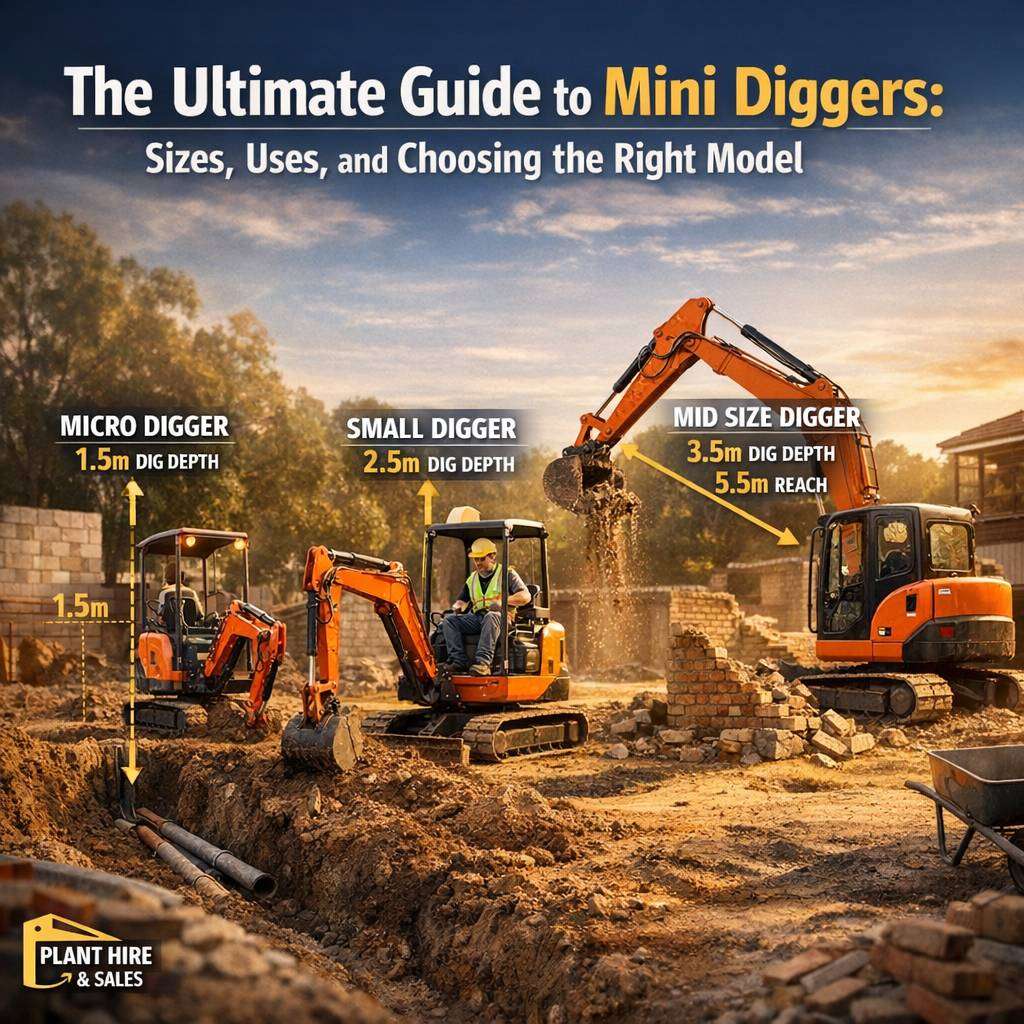
A mini digger, also known as a compact excavator, is a small, tracked or wheeled excavator designed for precision digging in tight spaces. They typically come in a range of operating weights from around 0.8 tonnes to 6 tonnes. The size you choose largely depends on:
- Workspace constraints: Access routes, doorways, and garden boundaries.
- Dig depth and reach: Larger models offer greater digging depth and lift height.
- Ground conditions: Softer ground may require lighter machines to prevent over-excavation or ground disturbance.
Common sizes include:
- 0.8–1.5 tonnes: Ideal for small landscaping tasks, trenching in confined areas, and delicate digging.
- 2–3 tonnes: A versatile mid-range option suitable for small utility work, drainage trenches, and medium-sized projects.
- 3–5 tonnes: More capable for heavier trenching, lifting materials, and more demanding site tasks.
- 5–6 tonnes: Near the upper end of the compact category, offering substantial reach and digging depth while still portable on standard trailers.
When shopping for mini diggers, pay attention not just to weight class but to the machine’s exact digging depth, reach, and tail swing, which can affect fit on your site.
FAQ: Mini Diggers
What is a mini digger?
A mini digger, also known as a compact excavator, is a small, versatile piece of construction machinery used for digging, trenching, and light demolition in tighter spaces where larger excavators cannot operate easily.
What sizes do mini diggers come in?
Mini diggers are typically categorised by their operating weight, ranging from about 0.8 tonnes to 6 tonnes. Common sizes include 1.5–3.5 tonnes for narrow spaces and around 5 tonnes for more demanding trenching tasks while still being transportable on a standard trailer.
What tasks are mini diggers best suited for?
- Trenching, digging foundations, and utility line work
- Landscaping and garden projects
- Demolition of small structures
- Drainage and irrigation installations
- Site clearance and material handling in confined spaces
What should I consider when renting a mini digger?
- Operating weight and tail swing to fit your space
- Reach, digging depth, and bucket capacity
- Attachments compatibility (buckets, hydraulic breakers, thumbs)
- Travel speed and transport requirements
- Fuel type, hire duration, and delivery/pick-up options
- Ground conditions and required safety measures
What attachments are available for mini diggers?
Common attachments include:
- Buckets (various widths)
- Hydraulic breakers (hammers)
- Hydraulic thumbs
- Augers
- Trenching or ditching buckets
- Pulverizers and compaction wheels (for certain models)
Do I need a license or operator to use a mini digger?
Requirements vary by region. In many places, individuals operating heavy machinery must hold a valid certification or license. If you’re renting, check whether you’ll operate it yourself or require a trained operator from the rental company. Our team can advise on local regulations and training options.
How do I choose the right mini digger for my project?
Assess:
- Space constraints and turning radius
- Required digging depth and reach
- Ground conditions and access to the site
- Attachment needs and compatibility
- Transportability to and from the siteOur rental specialists can help you match a model to your project requirements.
What is the typical rental process?
- Specify project needs and site access
- Select the appropriate mini digger and attachments
- Confirm delivery, pick-up, and operator if needed
- On-site delivery and safety briefing
- Return and inspection after the rental period
Are mini diggers easy to operate?
Modern mini diggers feature user-friendly controls, hydrostatic drive, and clear safety systems. Basic training is usually provided by the rental company. If you’re unsure, request a demonstration or operator training.
What safety considerations should I know?
- Ensure the site is clear of overhead hazards and underground services
- Check ground stability and load limits
- Use appropriate PPE (hard hat, high-visibility clothing, boots)
- Verify brakes, alarms, and safety locks are functioning
- Maintain a safe working area and never exceed machine rating
Do you offer delivery and collection?
Yes. We provide delivery to your site and can arrange collection after your project ends. Delivery charges depend on distance and access. Please provide site access details to get an accurate quote.
What maintenance is required during a rental?
Our machines come with scheduled maintenance and fluids at check-in. You should report any unusual sounds, leaks, or performance issues immediately. Return the equipment in the agreed condition to avoid extra charges.
Can I rent a mini digger with operators?
Yes. If you prefer not to operate the machine yourself, we offer skilled operators for hire along with the mini digger and attachments. Availability may vary by location and project duration.
How do I get a quote?
Contact our sales team with details about your project, target dig depth, space limitations, required attachments, and rental duration. We’ll tailor a quote and schedule delivery.
If you have any other questions about mini diggers, feel free to ask and we’ll tailor the information to your specific needs.
Key features to look for in a mini digger
The right features can save time and reduce operator fatigue. Consider the following:
- Hydraulic flow and control: A responsive joystick and smooth hydraulic flow improve precision on delicate tasks like trenching around utilities or planting trees.
- Swing radius and tail swing: A zero-tail-swing design is ideal for working in tight corners, while a conventional tail-swing model may offer better stability on uneven ground.
- Undercarriage options: Rubber tracks are gentle on finished surfaces and good for gardens, while steel tracks offer durability on rough terrain.
- Digging depth and reach: Match these to your typical job depth requirements; some models offer extended sticks or boom lengths for extra reach.
- Attachments compatibility: Quick-change adapters enable smooth swapping between buckets, breakers, grapples, augers, and compact drills.
- Operator comfort and safety: An adjustable seat, ergonomic controls, good visibility, and well-placed safety features reduce fatigue on long shifts.
Common uses for mini diggers
Mini diggers are capable of a wide range of tasks, especially where space is limited. Typical applications include:
- Trenching for utilities: Laying cables, pipes, or drainage lines in tight spaces without disturbing surrounding structures.
- Landscaping and gardening: Digging foundations for features like ponds, foundations for sheds, or trenching for irrigation.
- Foundation and basement work: Small-scale excavations for underpinning or footing trenches where larger machinery can’t access.
- Site preparation and debris removal: Moving piles of soil, clearing debris, and leveling ground while minimising ground disturbance.
- Light demolition and material handling: With the right attachment, mini diggers can break lightweight concrete and lift materials around a site.
- HDD and auger work: Some models support augers for boring holes for fence posts, trees, or signposts.
For rental or purchase decisions, think about the typical tasks you perform and ensure the machine’s reach, lift capacity, and hydraulic power meet those needs.
How to choose the right model: buying vs. renting vs. used mini diggers
Choosing the right model involves balancing cost, usage frequency, and long-term needs. Here are practical considerations:
- New mini diggers: If budget allows, new models come with the latest safety features, extended warranties, and the confidence of factory reliability. They’re a solid choice for high-usage fleets.
- Used mini diggers: Used machines can offer significant cost savings, but require thorough inspection. Check service history, hours, mechanical wear, and the condition of hydraulics and undercarriage. A trusted seller or a reputable supplier can help assess value and remaining life.
- Mini diggers for sale vs. rent: For sporadic projects, rental can be the most economical route. For ongoing operations, ownership may be more cost-effective in the long run, especially when factoring maintenance, insurance, and downtime costs.
- Attachments strategy: Consider a kit of attachments you’ll need. Quick-change couplers reduce downtime between tasks, enhancing productivity.
When evaluating used mini diggers, request detailed service records, confirm the availability of spares, and, if possible, arrange an on-site inspection or a test run. For buyers looking for flexibility, a short-term or long-term rental can provide access to a broader range of models and capabilities.
Mini diggers are versatile, compact machines ideal for tight spaces and precise site work. For safety knowledge, see https://www.quinncompany.com/6-safety-tips-for-mini-excavators/ and consider rental options from our fleet to boost productivity and efficiency on your next project.
Practical tips for safe and efficient operation
- Training and certification: Ensure operators are trained in safe operation, with awareness of underground utilities and site hazards.
- Pre-use checks: Inspect hydraulics, tracks or wheels, bucket pins, and fluid levels before each shift.
- Ground conditions: Assess the ground for stability, slope, and potential underground services. Avoid overloading or working on unstable ground.
- Maintenance schedule: Keep up with regular servicing, grease points, and hydraulic filter changes to maintain performance and prevent costly downtime.
Mini diggers offer a blend of precision and power that makes them adaptable to a variety of projects. By selecting the right size, confirming compatible attachments, and weighing options between new, used, or rental models, you can maximise productivity while controlling costs. Whether you’re browsing mini diggers for sale or evaluating used mini diggers, the key is to match the machine’s capabilities to your specific site requirements and workflow.
Mini diggers are versatile, compact machines ideal for tight spaces on any job site. From trenching to site preparation, they deliver precise digging with minimal disruption. Rent or buy a mini digger to boost productivity and reduce manual labor. mini diggers provide reliable performance, easy transport, and operator-friendly controls. Our range ensures you find the perfect size for your project, backed by support, maintenance, and flexible rental terms to keep your project on schedule.