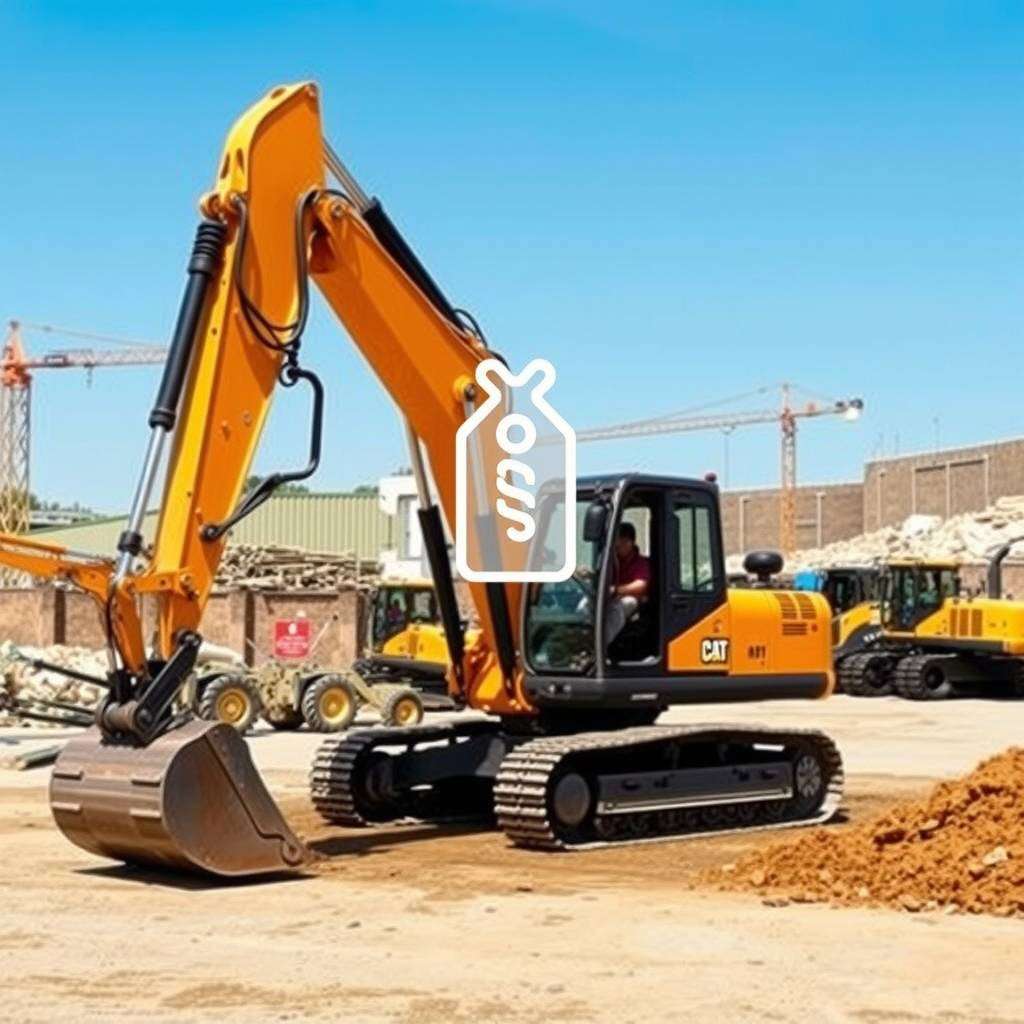
The world of construction and landscaping heavily relies on the robust efficiency of plant machinery, with excavators taking centre stage. These powerful machineries, whether for digging trenches, lifting heavy loads, or demolishing structures, are indispensable across various projects. If you’re in the market for excavators for sale, understanding the options available can help you make an informed decision that aligns with your project needs and budget constraints.
In this guide, we delve into the essential aspects of acquiring excavators, focusing on the pricing dynamics, features to consider, and the pros and cons of buying new versus second-hand machines. Whether you’re looking to purchase a used mini excavator for smaller tasks or want to understand the nuances of acquiring second-hand excavators, this article will guide you on the path to making a prudent investment.
Discover top-quality excavators for sale at competitive prices to boost your project efficiency. Explore our extensive range and find the perfect match for your needs by visiting our trusted portal here: https://www.machinefinder.com/ww/en-US/dealer-organizations/bridgeport-equipment-and-tool-7783/categories/used-compact_excavators. Our selection ensures durability and superior performance for various construction tasks, making every investment worthwhile.
Excavators for Sale: Key Considerations
When purchasing an excavator, several factors come into play, influencing not only the cost but also the overall suitability for your specific projects. It is crucial to assess the different types, sizes, and functionalities of excavators available, which range from standard to mini, each designed for distinct tasks.
Key factors to consider include:
-
Purpose and Scope of Work: Assess your primary project requirements. Is your focus mainly on residential construction or large-scale infrastructure projects? Excavators vary in capability and size; selecting the right type ensures efficiency and cost-effectiveness.
-
Budget and Financing Options: Determine your budget early on. This will narrow your options and may also influence whether you opt for new or second-hand machinery. Consider financing options if buying outright is not feasible.
-
Technology and Features: Modern excavators boast advanced technologies such as improved hydraulics, telematics systems for monitoring performance, and enhanced fuel efficiency. Prioritise features that align with long-term operational needs.
Purpose and Scope of Work: Assess your primary project requirements. Is your focus mainly on residential construction or large-scale infrastructure projects? Excavators vary in capability and size; selecting the right type ensures efficiency and cost-effectiveness.
Budget and Financing Options: Determine your budget early on. This will narrow your options and may also influence whether you opt for new or second-hand machinery. Consider financing options if buying outright is not feasible.
Technology and Features: Modern excavators boast advanced technologies such as improved hydraulics, telematics systems for monitoring performance, and enhanced fuel efficiency. Prioritise features that align with long-term operational needs.
Used Mini Excavator: A Compact Solution
For those involved in smaller-scale projects, a used mini excavator can be an ideal solution. These compact machines offer versatility and ease of operation, making them suitable for tasks such as small digs in confined spaces and minor demolition work.
-
Advantages: Due to their size and weight, mini excavators are less likely to cause damage to surrounding areas. They are also easier to transport, and generally more fuel-efficient, reducing ongoing operational costs.
-
Considerations When Buying Used: When purchasing a used mini excavator, thorough inspection is crucial. Verify the machine’s maintenance records, inspect for any visible wear or damage, and consider having it evaluated by a trusted mechanic to ensure its operational condition.
-
Ideal Applications: Mini excavators are perfect for urban development projects where space is limited. These machines excel in garden landscaping, small residential projects, and minor trenching jobs.
Advantages: Due to their size and weight, mini excavators are less likely to cause damage to surrounding areas. They are also easier to transport, and generally more fuel-efficient, reducing ongoing operational costs.
Considerations When Buying Used: When purchasing a used mini excavator, thorough inspection is crucial. Verify the machine’s maintenance records, inspect for any visible wear or damage, and consider having it evaluated by a trusted mechanic to ensure its operational condition.
Ideal Applications: Mini excavators are perfect for urban development projects where space is limited. These machines excel in garden landscaping, small residential projects, and minor trenching jobs.
Second Hand Excavators: Balancing Cost and Functionality
Opting for second-hand excavators can be a cost-effective way to acquire high-quality machinery without the financial commitment required for new units. However, this comes with its own set of considerations to ensure a smart purchase.
-
Cost Benefits: Second-hand excavators significantly undercut the cost of new models and often come with included peripherals like buckets or attachments, which can further enhance value.
-
Key Inspection Points: Critical areas to check include the undercarriage, hydraulic systems, and the condition of attachments. A detailed service history is invaluable for assessing the machine’s past performance and potential longevity.
-
Sources of Purchase: Reliable sources for second-hand excavators include reputable dealers, auctions, and online marketplaces. Each has its merits, and potential buyers should ensure authenticity and credibility before proceeding with any transaction.
-
Market Dynamics: The market for second-hand excavators can be highly competitive. Prices may fluctuate based on demand, age of the machine, and technological advancements in newer models.
Cost Benefits: Second-hand excavators significantly undercut the cost of new models and often come with included peripherals like buckets or attachments, which can further enhance value.
Key Inspection Points: Critical areas to check include the undercarriage, hydraulic systems, and the condition of attachments. A detailed service history is invaluable for assessing the machine’s past performance and potential longevity.
Sources of Purchase: Reliable sources for second-hand excavators include reputable dealers, auctions, and online marketplaces. Each has its merits, and potential buyers should ensure authenticity and credibility before proceeding with any transaction.
Market Dynamics: The market for second-hand excavators can be highly competitive. Prices may fluctuate based on demand, age of the machine, and technological advancements in newer models.
Discover top-quality excavators for sale at competitive prices. Our diverse inventory ensures you’ll find the perfect match for your needs. Visit our website to explore our extensive range: https://www.sjhallplant.com. Enhance your construction projects today!
Conclusion of Features and Pricing
Acquiring an excavator encompasses more than just the initial purchase price. By considering operational requirements, budgetary constraints, and the features that best suit your needs, you can unlock the potential benefits of these versatile machines. By leveraging the savings from a second-hand purchase or opting for a specialised used mini excavator, you position your projects for success with minimal disruption to your financial planning. Engaging with industry experts and conducting thorough research stands as the best strategy to ensure a return on your investment and optimised project outcomes.