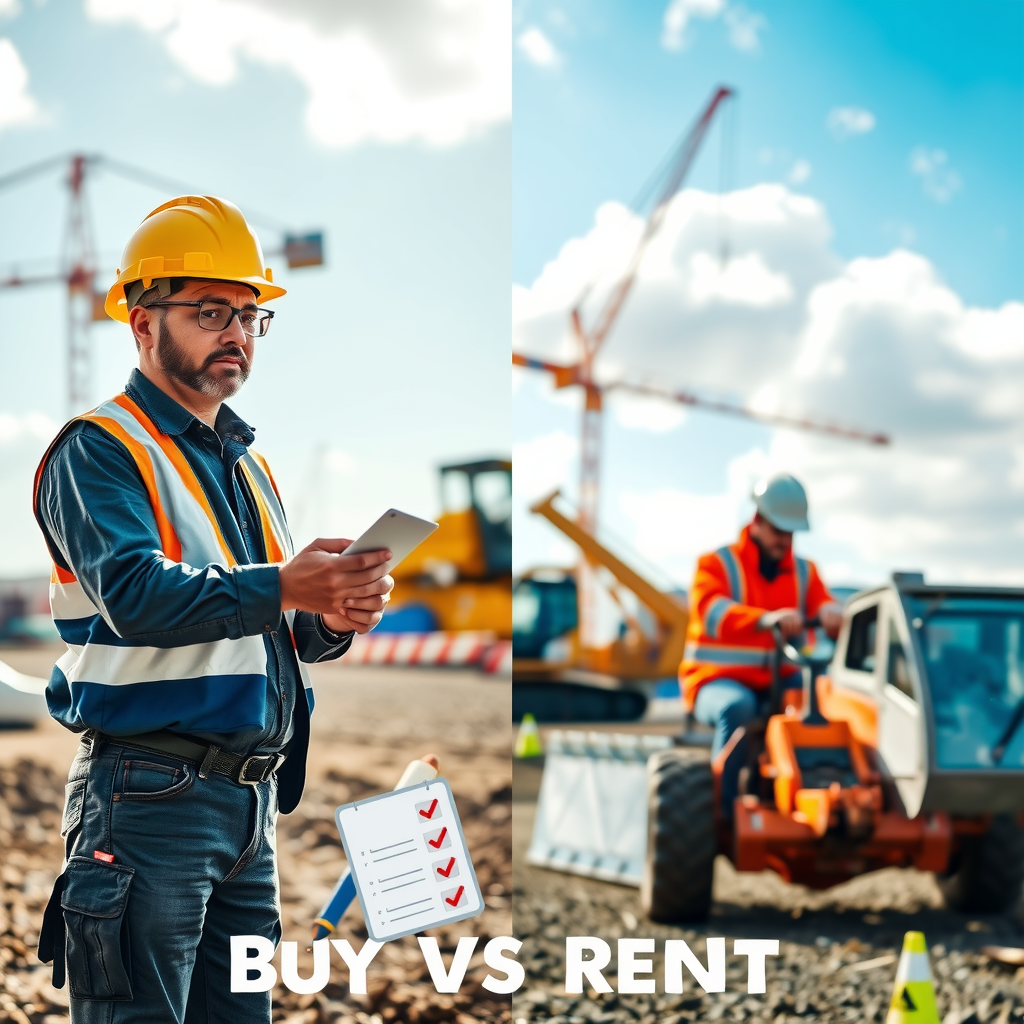
When it comes to construction projects, one of the most critical decisions involves the acquisition of plant and machinery. With numerous options available, including buying new or second-hand plant machinery, or opting for rental agreements, making the right choice can significantly impact both your budget and operational efficiency. This comprehensive guide delves into the pros and cons of buying versus renting plant equipment, providing a thorough analysis to help you determine which option best suits your specific needs.
In the UK, the market for used plant equipment for sale is robust, offering a wealth of choices. Understanding the nuances between purchasing used plant machinery and renting on a temporary basis is essential for any contractor or site manager. By evaluating your project requirements, financial constraints, and equipment availability, you can make an informed decision that aligns with your operational goals.
The Case for Buying Plant Equipment
Investing in plant machinery comes with several advantages that can be instrumental for long-term projects or established enterprises. Here are some of the primary benefits:
Capital Investment and Asset Ownership
Acquiring used plant and machinery is a significant capital investment. However, it often translates into asset ownership, providing you with an opportunity to build equity in your equipment. Over time, purchased machinery can facilitate lower operating costs, as you are not liable for rental fees, and you can utilise the equipment for multiple projects, thus maximising its value.
Customisation and Modification
When you buy your plant machinery, you have the freedom to modify and customise it to suit your specific operational requirements. This flexibility can be critical for businesses requiring particular attachments or configurations to meet unique job site demands. Furthermore, owning the equipment allows for more control over maintenance schedules, ensuring it operates optimally throughout its lifecycle.
Predictable Costs and Depreciation Benefits
Owning plant equipment allows for predictable budgeting. While there will be upfront costs associated with procurement, operational costs diminish over time compared to ongoing rental fees. Additionally, you may benefit from certain tax advantages associated with depreciation and ownership, providing further financial incentives over the long term.
The Advantages of Renting Plant Machinery
While buying has its perks, renting plant machinery offers several compelling advantages, especially for short-term projects or businesses with fluctuating needs. Here are key points to consider:
Flexibility and Access to the Latest Technology
Renting allows for access to the latest models and technologies without the financial burden of outright purchases. This means you can take advantage of advanced features and improved efficiencies, which is particularly beneficial in the competitive construction industry. If you have short-term projects that require specific machinery, rental contracts enable you to scale your equipment needs flexibly.
Reduced Maintenance and Repair Responsibilities
With rental agreements, the onus of maintenance and repair typically falls on the rental company. This not only alleviates the pressure of ensuring your equipment is operational but also means you can avoid unexpected repair costs. By renting, you can focus on completing your projects without the hassle of upkeep, which can also hinder productivity.
Lower Initial Costs and Capital Allocation
Renting plant and machinery eliminates the substantial upfront costs associated with purchasing new or even used plant machinery. This can be particularly advantageous for small to medium-sized enterprises (SMEs) that may not have the cash flow to invest in significant capital expenditures. Instead, you can allocate your financial resources to other pressing business needs, such as hiring skilled labour or securing additional contracts.
Discover top-quality plant equipment for sale at https://www.sjhallplant.com. We offer a wide range of reliable machinery to meet your construction needs. Whether you’re looking to buy or rent, our expert team is here to assist you in finding the right equipment.
Key Considerations When Making Your Decision
Before deciding between buying and renting, consider the following factors:
Project Duration and Frequency of Use
Evaluate how often and for how long you will need the plant equipment. If you have ongoing or multiple projects, purchasing machinery may make more financial sense. Conversely, if your requirements are sporadic or limited to a single job, renting can provide the equipment needed, without commitment.
Understanding Your Financial Situation
A thorough assessment of your financial capabilities is essential. Purchasing used plant machinery involves not only the initial cost but also ongoing expenses such as insurance, maintenance, and storage. Conversely, while renting may seem more affordable in the short term, over a lengthy rental period, the costs can accumulate.
Your Management Capacity
Understanding your team’s expertise in managing and maintaining plant and machinery can influence your choice. If you have skilled personnel and systems in place for maintenance, owning may be a viable option. However, if your team lacks the capacity, the rental model could relieve some of the burdens associated with equipment management.
In conclusion, whether you’re considering the latest plant equipment for sale or browsing through used plant machinery, each choice will significantly impact your current and future projects. By carefully assessing your project needs, budget constraints, and operational capabilities, you’ll be better positioned to make a choice that enhances your construction endeavours—whether that means bringing new plant machinery into your fleet or utilising the flexibility that renting provides.